As the demand for computing power and natural resources grows across the world,
these innovative companies are lowering input costs, strengthening supply chains, and
unlocking new revenue from underused resources.

As the demand for computing power and natural resources grows across the world,
these innovative companies are lowering input costs, strengthening supply chains, and
unlocking new revenue from underused resources.
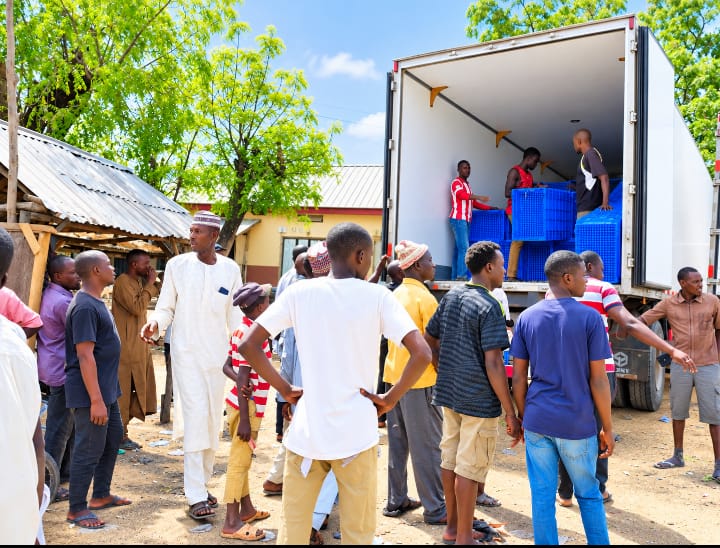
What if your cooperative could do more than sell produce together? Discover how shared cold storage, refrigerated transport and better coordination can help members reduce avoidable losses and build a more reliable route to market.
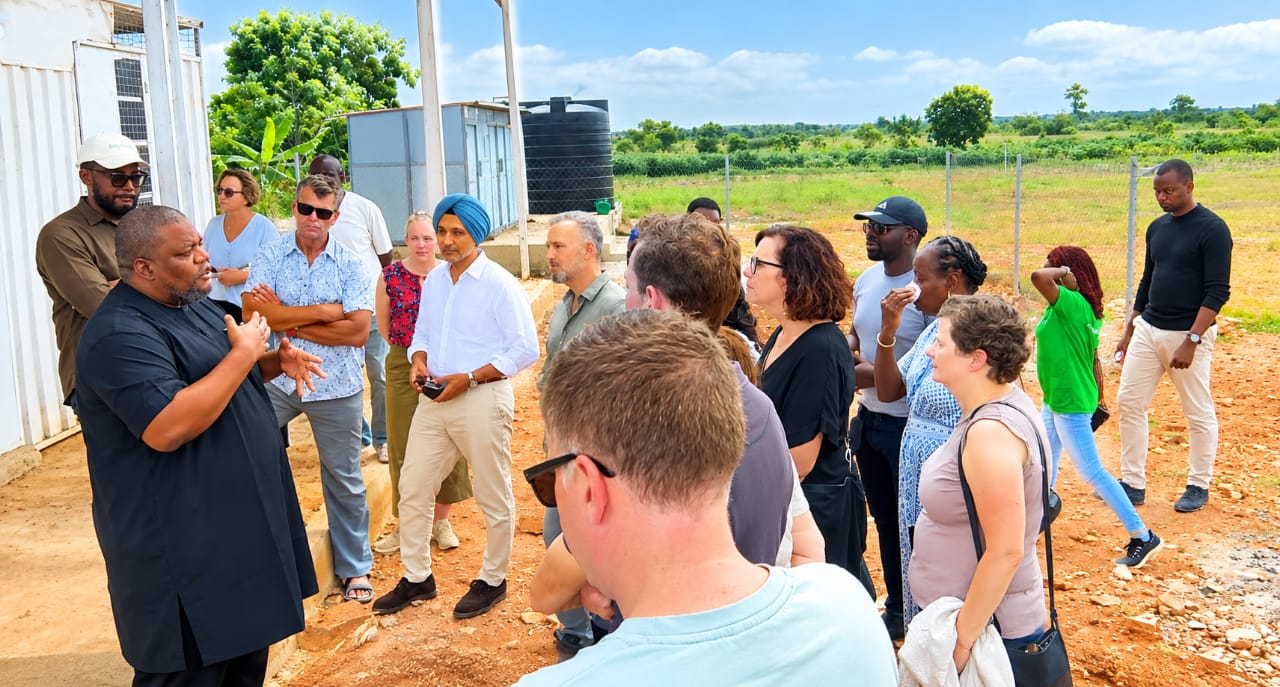
The journey from investment to impact does not end when a facility is built. At ColdHubs’ Juapong facility, it is only beginning. Find out what the latest partner visit reveals about building stronger post-harvest systems.
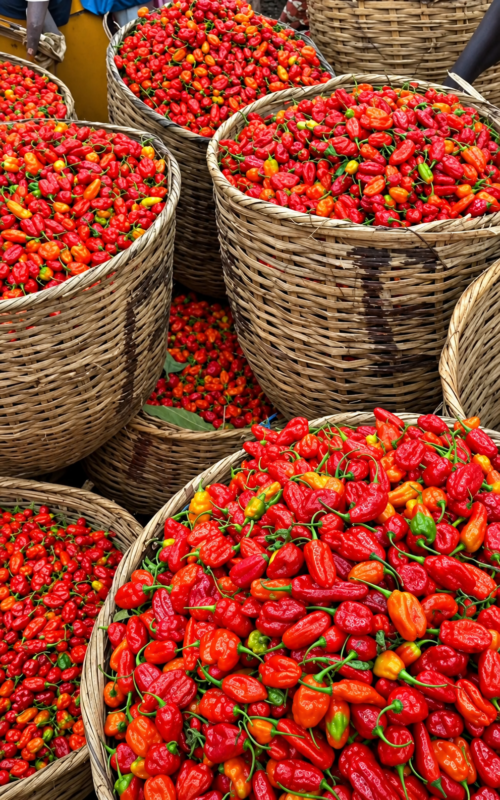
Pepper prices can change quickly but what happens before the price changes?
One week, pepper is scarce and expensive; the next, increased harvests bring more produce into the market and prices begin to ease. What is driving this swing, and what does it reveal about the relationship between harvest cycles, supply, demand and the ability to preserve fresh produce?
Look beyond the price tag to uncover the market dynamics behind the pepper story.
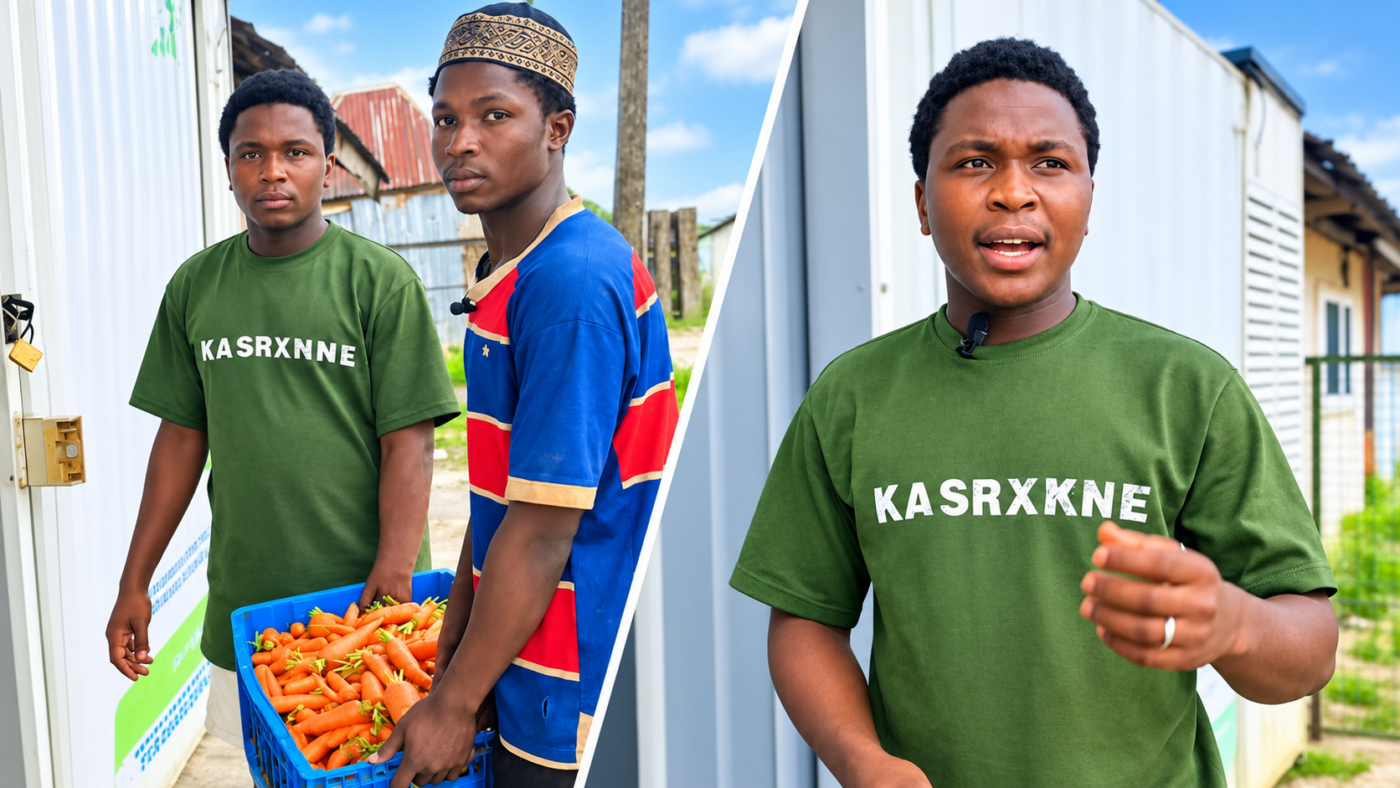
𝗦𝘂𝗹𝗲𝗺𝗮𝗻 𝘂𝘀𝗲𝗱 𝘁𝗼 𝗯𝗲 𝗶𝗻 𝗮 𝗵𝘂𝗿𝗿𝘆 𝘁𝗼 𝘀𝗲𝗹𝗹. 𝗡𝗼𝘄, 𝗵𝗲 𝗰𝗮𝗻 𝗮𝗳𝗳𝗼𝗿𝗱 𝘁𝗼 𝘄𝗮𝗶𝘁. 𝗪𝗵𝗮𝘁 𝗰𝗵𝗮𝗻𝗴𝗲𝗱?
His experience with ColdHubs Obinze Hub offers a different perspective on the impact of cold storage- one where preserving produce also means preserving time, choice and possibilities.

𝗪𝗵𝗮𝘁 𝗶𝗳 𝘁𝗵𝗲 𝗽𝗮𝗰𝗸𝗮𝗴𝗶𝗻𝗴 𝗰𝗮𝗿𝗿𝘆𝗶𝗻𝗴 𝘆𝗼𝘂𝗿 𝗽𝗿𝗼𝗱𝘂𝗰𝘁𝘀 𝗰𝗼𝘂𝗹𝗱 𝗮𝗹𝘀𝗼 𝗰𝗮𝗿𝗿𝘆 𝘆𝗼𝘂𝗿 𝗯𝗿𝗮𝗻𝗱?
A crate may seem like a simple supply-chain tool, but with the right design, it can become a moving brand touchpoint.
𝗗𝗶𝘀𝗰𝗼𝘃𝗲𝗿 𝗵𝗼𝘄 𝗖𝗼𝗹𝗱𝗛𝘂𝗯𝘀 𝗯𝗿𝗮𝗻𝗱𝗲𝗱 𝗰𝗿𝗮𝘁𝗲𝘀 𝗰𝗼𝗺𝗯𝗶𝗻𝗲 𝗽𝗿𝗼𝗱𝘂𝗰𝘁 𝗽𝗿𝗼𝘁𝗲𝗰𝘁𝗶𝗼𝗻, 𝗿𝗲𝘂𝘀𝗮𝗯𝗶𝗹𝗶𝘁𝘆 𝗮𝗻𝗱 𝗯𝗿𝗮𝗻𝗱 𝘃𝗶𝘀𝗶𝗯𝗶𝗹𝗶𝘁𝘆—𝘁𝘂𝗿𝗻𝗶𝗻𝗴 𝗮𝗻 𝗲𝘃𝗲𝗿𝘆𝗱𝗮𝘆 𝗰𝗿𝗮𝘁𝗲 𝗶𝗻𝘁𝗼 𝗮𝗻 𝘂𝗻𝗲𝘅𝗽𝗲𝗰𝘁𝗲𝗱 𝗺𝗮𝗿𝗸𝗲𝘁𝗶𝗻𝗴 𝗼𝗽𝗽𝗼𝗿𝘁𝘂𝗻𝗶𝘁𝘆.
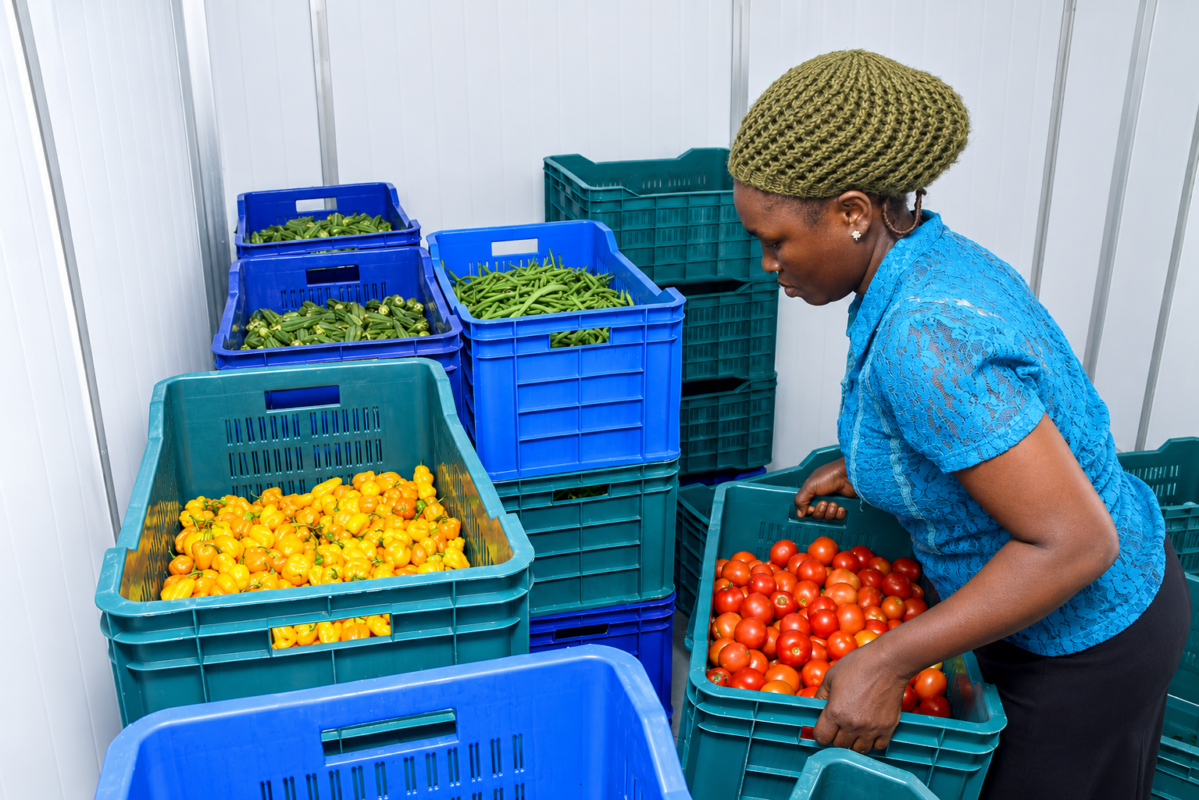
Spoilage, declining product quality and lost sales may be more than operational challenges they could be signs that your business needs cold storage. Here are seven indicators to watch and what they could mean for your business

What if the biggest question in Africa’s cold-chain development isn’t 𝗵𝗼𝘄 𝗺𝗮𝗻𝘆 𝗰𝗼𝗹𝗱 𝗿𝗼𝗼𝗺𝘀 𝘄𝗲 𝗰𝗮𝗻 𝗯𝘂𝗶𝗹𝗱, 𝗯𝘂𝘁 𝘄𝗵𝗲𝗿𝗲 𝘄𝗲 𝗯𝘂𝗶𝗹𝗱 𝘁𝗵𝗲𝗺? Location, energy availability and access to markets can determine whether cold-chain infrastructure delivers lasting value or simply becomes another facility. A new industry tool from Sustainable Energy for All is putting these factors under the spotlight.
𝗛𝗲𝗿𝗲’𝘀 𝘄𝗵𝗮𝘁 𝗶𝘁 𝗰𝗼𝘂𝗹𝗱 𝗺𝗲𝗮𝗻 𝗳𝗼𝗿 𝘁𝗵𝗲 𝗳𝘂𝘁𝘂𝗿𝗲 𝗼𝗳 𝗮𝗴𝗿𝗶𝗰𝘂𝗹𝘁𝘂𝗿𝗮𝗹 𝗰𝗼𝗼𝗹𝗶𝗻𝗴 𝗶𝗻 𝗔𝗳𝗿𝗶𝗰𝗮.

ColdHubs highlighted how renewable energy can go beyond electricity generation to reduce food loss, protect incomes and strengthen resilient livelihoods at a workshop in Imo State.

“The market just flipped the script. After weeks of falling prices, every single fresh produce item tracked this week — from tomatoes to livestock — either rose or held firm. Spring onions, which crashed by half just seven days ago, staged a stunning comeback with prices climbing as much as 36% in the south. So what’s driving the surge, and who stands to win or lose? This week’s Market Weekly breaks down the numbers zone by zone.”