
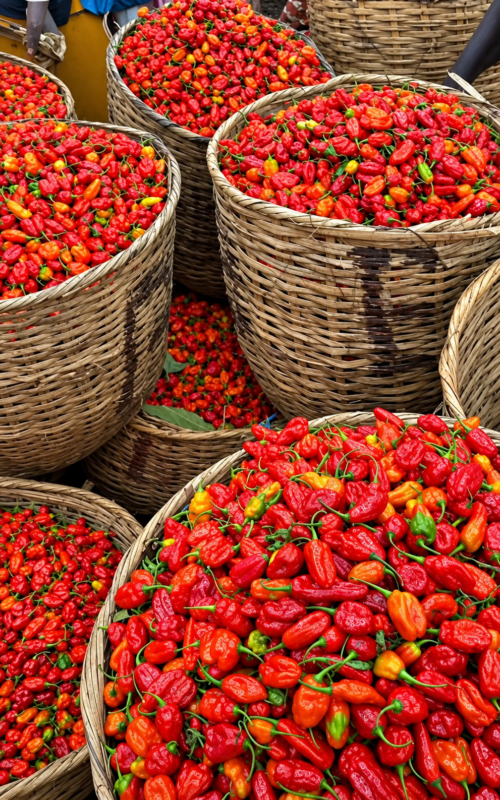
𝗙𝗿𝗼𝗺 𝘀𝗰𝗮𝗿𝗰𝗶𝘁𝘆 𝘁𝗼 𝗮𝗯𝘂𝗻𝗱𝗮𝗻𝗰𝗲, 𝘁𝗵𝗲 𝗽𝗲𝗽𝗽𝗲𝗿 𝗺𝗮𝗿𝗸𝗲𝘁 𝗶𝘀 𝘀𝗵𝗼𝘄𝗶𝗻𝗴 𝘂𝘀 𝗮 𝗳𝗮𝗺𝗶𝗹𝗶𝗮𝗿 𝗹𝗲𝘀𝘀𝗼𝗻: 𝘀𝘂𝗽𝗽𝗹𝘆 𝗰𝗮𝗻 𝗰𝗵𝗮𝗻𝗴𝗲 𝘁𝗵𝗲 𝗽𝗿𝗶𝗰𝗲 𝘀𝘁𝗼𝗿𝘆 𝗮𝗹𝗺𝗼𝘀𝘁 𝗼𝘃𝗲𝗿𝗻𝗶𝗴𝗵𝘁.
For weeks, pepper was a difficult commodity to find in many markets. Supply was tight, availability was limited, and prices climbed as buyers competed for the little produce reaching the market.
The situation was not necessarily a reflection of declining demand. Rather, the market was experiencing a 𝘀𝘂𝗽𝗽𝗹𝘆 𝗰𝗼𝗻𝘀𝘁𝗿𝗮𝗶𝗻𝘁.
At the farm level, much of the pepper was still growing. Farmers were waiting for the crop to reach the appropriate stage for harvesting, meaning that only limited quantities were entering the market. With fewer bags and baskets arriving, the available supply could not easily match market demand.
𝗧𝗵𝗲𝗻 𝘁𝗵𝗲 𝗺𝗮𝗿𝗸𝗲𝘁 𝘀𝗵𝗶𝗳𝘁𝗲𝗱.
Over the past week, increased harvesting has brought substantially more pepper into the market. What was previously difficult to source is now becoming more readily available. As supply has increased, prices have begun to ease.
𝗧𝗵𝗲 𝗠𝗮𝗿𝗸𝗲𝘁 𝗗𝘆𝗻𝗮𝗺𝗶𝗰𝘀
The recent movement in pepper prices illustrates one of the most important dynamics of agricultural markets: what happens on the farm eventually shows up in the market.
Harvest cycles influence availability. Availability influences supply. Supply interacts with demand. And that interaction ultimately shapes prices.
This is why agricultural market movements should not be viewed in isolation.
A trader looking only at today’s price may see a decline. A farmer looking ahead may see the beginning of a period of increased market supply. An agribusiness may see an opportunity to adjust procurement. And a food business may need to reconsider purchasing and storage decisions.
The same market movement can therefore mean different things to different actors.
𝗙𝗿𝗼𝗺 𝘀𝗰𝗮𝗿𝗰𝗶𝘁𝘆 𝘁𝗼 𝘀𝘂𝗿𝗽𝗹𝘂𝘀 𝗮𝗻𝗱 𝘁𝗵𝗲 𝗰𝗵𝗮𝗹𝗹𝗲𝗻𝗴𝗲 𝗼𝗳 𝗽𝗿𝗲𝘀𝗲𝗿𝘃𝗮𝘁𝗶𝗼𝗻
There is another important dimension to this story.
When a commodity moves from scarcity to abundant supply, the conversation should not end with price.
For highly perishable produce such as pepper, increased supply can create a new challenge: how do we preserve the additional produce reaching the market?
When supply rises rapidly while demand remains relatively stable, producers and traders may face pressure to sell quickly. Without adequate storage and preservation infrastructure, the value of increased production can be undermined by deterioration and post-harvest losses.
𝗧𝗵𝗶𝘀 𝗶𝘀 𝘄𝗵𝗲𝗿𝗲 𝗰𝗼𝗹𝗱-𝗰𝗵𝗮𝗶𝗻 𝗶𝗻𝗳𝗿𝗮𝘀𝘁𝗿𝘂𝗰𝘁𝘂𝗿𝗲 𝗯𝗲𝗰𝗼𝗺𝗲𝘀 𝗽𝗮𝗿𝘁 𝗼𝗳 𝘁𝗵𝗲 𝗺𝗮𝗿𝗸𝗲𝘁 𝗰𝗼𝗻𝘃𝗲𝗿𝘀𝗮𝘁𝗶𝗼𝗻.
The ability to preserve fresh produce gives farmers, traders and businesses greater 𝗳𝗹𝗲𝘅𝗶𝗯𝗶𝗹𝗶𝘁𝘆 in deciding when to sell rather than being compelled to sell immediately simply because the product is perishable.
𝗪𝗵𝗮𝘁 𝘁𝗵𝗲 𝗽𝗲𝗽𝗽𝗲𝗿 𝗺𝗮𝗿𝗸𝗲𝘁 𝗶𝘀 𝘁𝗲𝗹𝗹𝗶𝗻𝗴 𝘂𝘀
The recent pepper price movement is a reminder that agricultural markets are dynamic.
Scarcity can push prices upward. Increased harvests can bring prices down. But between those two points lies a critical question: what happens to the produce in between?
Understanding that movement requires looking beyond the market stall to what is happening across the agricultural value chain from farms and harvest cycles to transportation, storage, demand and consumption.
At ColdHubs, we track these movements because market intelligence is more useful when it provides context, not just numbers.
And the pepper story is only one out of many examples.
𝗞𝗲𝗲𝗽 𝘄𝗮𝘁𝗰𝗵𝗶𝗻𝗴 𝘁𝗵𝗲 𝗺𝗮𝗿𝗸𝗲𝘁
Market conditions can change quickly. The price you see today may not tell the full story of what is happening across the value chain.
That is why 𝗖𝗼𝗹𝗱𝗛𝘂𝗯𝘀’ 𝗪𝗲𝗲𝗸𝗹𝘆 𝗠𝗮𝗿𝗸𝗲𝘁 𝗥𝗲𝗽𝗼𝗿𝘁 provides a regular view of market prices and trends, helping farmers, traders, agribusinesses and other food-system actors stay informed about changing market conditions.
𝗪𝗮𝗻𝘁 𝘁𝗼 𝗸𝗻𝗼𝘄 𝘄𝗵𝗮𝘁 𝗶𝘀 𝗺𝗼𝘃𝗶𝗻𝗴 𝗶𝗻 𝘁𝗵𝗲 𝗺𝗮𝗿𝗸𝗲𝘁 𝗲𝗮𝗰𝗵 𝘄𝗲𝗲𝗸?
Follow the ColdHubs Weekly Market Report, published every Monday, and stay informed on the prices and trends shaping agricultural markets.
𝗞𝗻𝗼𝘄 𝘁𝗵𝗲 𝗺𝗮𝗿𝗸𝗲𝘁. 𝗧𝗿𝗮𝗰𝗸 𝘁𝗵𝗲 𝘁𝗿𝗲𝗻𝗱. 𝗣𝗹𝗮𝗻 𝗯𝗲𝘁𝘁𝗲𝗿.
culled from the coldhubs weekly market report of September 28th 2026