
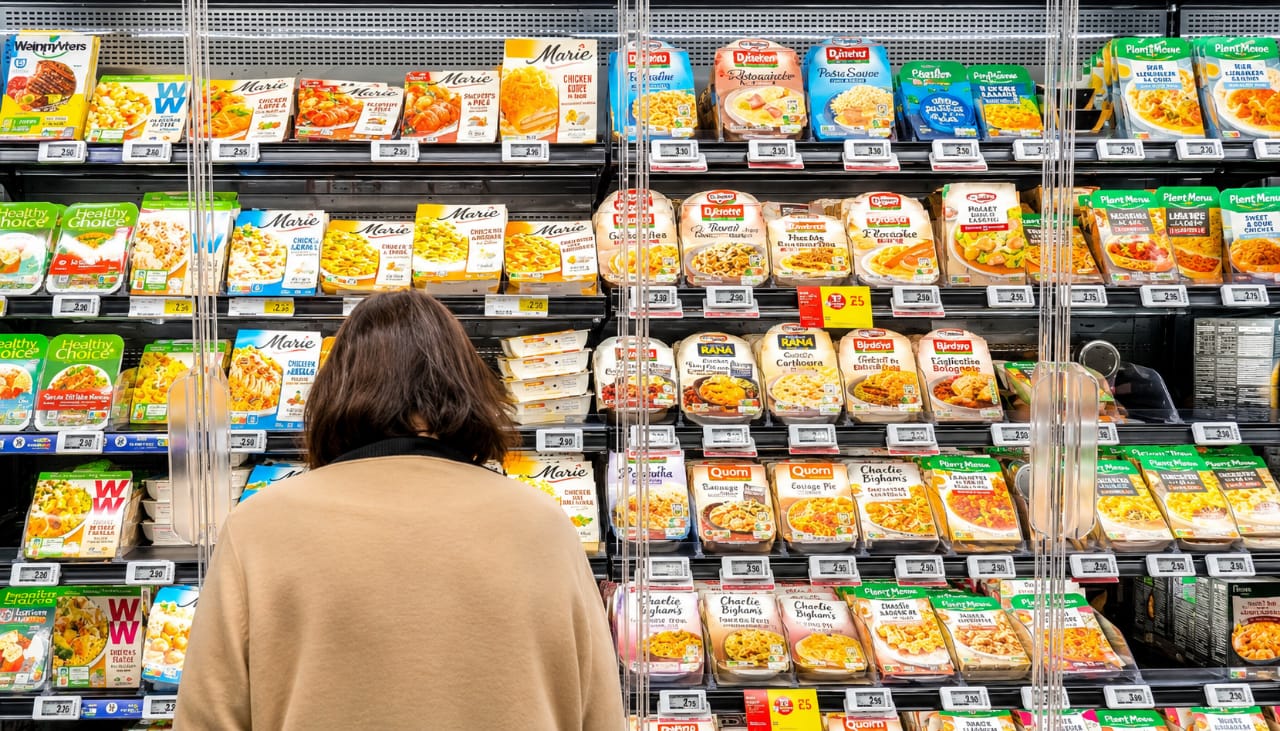
Hackers raise temperatures in fridges at hundreds of supermarkets, sparking fires and spoiling food in ‘large-scale’ cyberattack.
𝗖𝘆𝗯𝗲𝗿𝗮𝘁𝘁𝗮𝗰𝗸 𝗼𝗻 𝗙𝗿𝗲𝗻𝗰𝗵 𝘀𝘂𝗽𝗲𝗿𝗺𝗮𝗿𝗸𝗲𝘁𝘀 𝗲𝘅𝗽𝗼𝘀𝗲𝘀 𝘃𝘂𝗹𝗻𝗲𝗿𝗮𝗯𝗶𝗹𝗶𝘁𝗶𝗲𝘀 𝗶𝗻 𝗱𝗶𝗴𝗶𝘁𝗮𝗹𝗹𝘆 𝗰𝗼𝗻𝗻𝗲𝗰𝘁𝗲𝗱 𝗿𝗲𝗳𝗿𝗶𝗴𝗲𝗿𝗮𝘁𝗶𝗼𝗻 𝘀𝘆𝘀𝘁𝗲𝗺𝘀
Hundreds of French supermarkets experienced refrigeration disruptions after hackers manipulated connected cooling systems. The incident exposes a growing vulnerability in modern food supply chains: the digital controls protecting the cold chain.
A refrigerator no longer needs to break down mechanically to lose its ability to preserve food.
In October 2026, hackers remotely manipulated refrigeration systems at hundreds of supermarkets across France, raising temperatures in refrigerators and freezers to as high as 50°C. The result was widespread food spoilage, reported fires and significant financial losses.
The attack occurred overnight between 11 and 12 October, affecting several major supermarket operators, including Intermarché, Netto, Carrefour and Coopérative U. Monoprix and stores operating under other retail networks were also reported to have been affected.
According to the Associated Press, France’s Finance Minister Roland Lescure estimated that approximately 700 of the country’s 10,000 supermarkets had been affected. Intermarché’s chief executive estimated that losses across the industry could reach tens of millions of euros in a single day.
Investigations identified compromises involving remote refrigeration management systems, including equipment supplied by Danish manufacturer Danfoss. The manufacturer stated that affected systems were running outdated firmware, while some older equipment no longer received security updates.
A further incident involving refrigeration systems from Dixell was reported the following night. France’s national cybersecurity authority, ANSSI, confirmed that it was aware of compromises involving multiple refrigeration-control platforms.
No perpetrators had publicly claimed responsibility at the time of the initial investigations.
Sources: Reuters | Associated Press | Le Monde.
The incident raises a question that the cold-chain industry can no longer afford to overlook:
What happens when the systems responsible for keeping food cold become the target of a cyberattack?
When Refrigeration Becomes a Cybersecurity Risk
Modern commercial refrigeration increasingly depends on digitally connected equipment.
Remote monitoring platforms, electronic controllers, sensors and automated temperature-management systems allow operators and maintenance providers to monitor equipment, adjust settings, receive alerts and manage refrigeration operations from different locations.
These technologies improve operational visibility and can make equipment management more efficient.
However, they also introduce another point of vulnerability.
When refrigeration controls are connected to external networks without adequate protection, unauthorised users may gain access to systems that directly influence physical operations.
In the French incident, attackers manipulated refrigeration settings and defrost cycles. By changing operating parameters, they disrupted the conditions required to keep food refrigerated.
This is an important distinction.
A cyberattack on a refrigeration system does not necessarily need to steal customer information or shut down a company’s computer network to cause serious damage. It can target the operational technology controlling the physical environment in which food is stored.
The consequences can extend beyond the digital environment:
- Refrigeration temperatures may rise beyond acceptable limits.
- Fresh and frozen food may become unsafe or unsuitable for sale.
- Equipment may require inspection, repair or replacement.
- Businesses may experience substantial inventory losses.
- Supply-chain operations and deliveries may be disrupted.
- Consumers may be exposed to food-safety risks if temperature failures go undetected.
The cold chain can be compromised digitally, even when its refrigeration equipment is physically intact.
What the French Incident Revealed About Connected Refrigeration
The investigation highlighted weaknesses associated with remotely accessible refrigeration management systems.
According to Reuters, the affected Danfoss systems were running outdated firmware. Danfoss had previously advised customers to update supported systems and migrate legacy equipment to current-generation solutions.
France’s official cybersecurity authority, through CERT-FR, subsequently published a security alert identifying compromises involving remote controllers from:
- Danfoss AK-SC and AK-SM series.
- Copeland XWEB.
- Dixell XWEB.
The alert specifically warned against exposing refrigeration management interfaces directly to the internet. It recommended restricting internet access, securing remote connections through a VPN or protected network, updating firmware and changing default passwords.
It also warned that simply resetting compromised equipment may not be sufficient when the underlying device remains vulnerable and unsupported.
Source: CERT-FR, Security Alert CERTFR-2026-ALE-012, updated 16 October 2026.
The lesson is significant: refrigeration equipment must be maintained not only for mechanical performance but also for digital security throughout its operating life.
Five Questions Every Cold-Chain Operator Should Be Asking
The French incident offers practical lessons for supermarket chains, cold-storage operators, food distributors, refrigeration contractors and businesses managing temperature-sensitive inventory.
1. Who Can Access Your Refrigeration Systems Remotely?
Remote access is useful for maintenance and operational monitoring. But every connection creates a potential entry point.
Operators should know which individuals and service providers have access to refrigeration controls, what level of access they have and how that access is managed.
Remote management interfaces should not be unnecessarily exposed to the public internet. Access should be restricted to authorised users through secure connections, such as properly configured VPNs or protected networks.
2. Are Your Refrigeration Systems Receiving Security Updates?
Equipment that runs outdated firmware or unsupported software can remain exposed to known vulnerabilities.
Routine maintenance should therefore include checking firmware versions, applying manufacturer security updates and reviewing the support status of installed controllers.
Where equipment has reached the end of its security-support life, operators need a replacement or risk-mitigation plan.
Keeping refrigeration equipment mechanically functional is not enough if its digital components can no longer be secured.
3. Would You Detect an Abnormal Temperature Change Before Losing Your Inventory?
The speed of detection can determine the scale of a loss.
Independent temperature monitoring, alarm notifications and clearly defined escalation procedures can help operators identify unexpected changes before they affect an entire inventory.
Operators should also review temperature and defrost settings regularly and ensure that monitoring alerts reach people who can respond.
The French incident illustrates why temperature monitoring should not depend entirely on the same digital controls that manage refrigeration.
Where practical, independent monitoring provides an additional layer of operational oversight.
4. What Happens When Your Digital Controls Are Compromised?
Every cold-chain operation should have a documented response procedure for suspected cyber incidents.
This should establish who is responsible for isolating affected systems, contacting refrigeration technicians and cybersecurity specialists, protecting stored products and restoring operations securely.
It should also address food-safety decisions.
Products exposed to temperatures outside their required limits cannot automatically be considered safe because refrigeration has been restored. Their condition must be assessed using appropriate food-safety procedures, including the duration and extent of temperature exposure.
An effective response must protect both the equipment and the people who eventually consume the food.
5. Who Is Accountable for Securing the Entire System?
Cold-chain operations often involve several parties: equipment manufacturers, refrigeration contractors, software providers, network administrators, facility managers and business owners.
This creates a shared responsibility.
The manufacturer may provide the equipment and security updates. The refrigeration contractor may manage remote maintenance. The operator is responsible for ensuring that access is controlled and operational procedures are followed.
These responsibilities should be clearly defined rather than assumed to belong solely to an IT department.
Cybersecurity must become part of routine refrigeration maintenance, procurement and supplier management.
What This Means for Africa’s Growing Cold-Chain Industry
Africa’s cold-chain industry is developing alongside wider investment in solar-powered refrigeration, automated monitoring, digital logistics and temperature-management technologies.
These developments create opportunities to improve food preservation and operational efficiency. But they also make it important to consider how connected infrastructure will be protected.
For cold-storage facilities, refrigerated transportation providers, food distributors and supermarket operators, cybersecurity should be considered alongside equipment reliability, energy security, temperature management and food safety.
This does not mean avoiding digital technology.
Remote monitoring and automation can provide important operational benefits. The challenge is to ensure that the digital systems supporting refrigeration are designed, configured and maintained securely.
In markets where businesses already face unreliable electricity, equipment maintenance challenges and high operating costs, a cyber incident could introduce another source of disruption.
Operators should therefore consider cybersecurity when purchasing connected equipment, engaging external maintenance providers or expanding remote monitoring capabilities.
The security of the cold chain should not depend on an assumption that refrigeration controls are too specialised or insignificant to attract the attention of attackers.
The French incident has shown otherwise.
A Secure Cold Chain Requires More Than Reliable Cooling
The future of refrigeration will increasingly involve connected sensors, automated controls, remote maintenance and digital monitoring.
These technologies can improve how cold-chain operations are managed, but their benefits depend on the reliability and security of the systems supporting them.
For ColdHubs and the wider cold-chain industry, the broader lesson is that protecting food requires attention to every part of the infrastructure responsible for preserving it.
A reliable cold chain must maintain appropriate temperatures, manage energy effectively, detect operational problems and protect the systems that control its equipment.
Keeping food cold is no longer just a refrigeration challenge. It is also a digital security responsibility.
As the industry becomes more connected, cybersecurity must become a standard part of cold-chain planning, maintenance and risk management.
The question is no longer whether digital technology belongs in refrigeration.
It is whether the industry is protecting that technology well enough to keep the food safe.
Protecting the Future of the Cold Chain
At ColdHubs, our focus is on providing cold-chain solutions that support the storage and movement of perishable products. As the industry evolves, reliable infrastructure, responsible technology management and operational preparedness will remain important to building stronger food supply chains.
Visit www.coldhubs.com or contact info@coldhubs.com to learn more about our cold-chain solutions.
References and further reading
- Reuters — Hackers Heat French Supermarket Fridges, Sparking Fires and Spoiling Food, 12 October 2026
- Associated Press — Cyberattack Disrupts Supermarkets in France, Raises Food Supply Security Fears
- Le Monde — After Danfoss, Hackers Strike Other Refrigeration Systems Used in France, 13 October 2026
- CERT-FR — Security Alert: Attacks Targeting Remote Controllers for Refrigeration Installations, updated 16 October 2026
- BBC News