
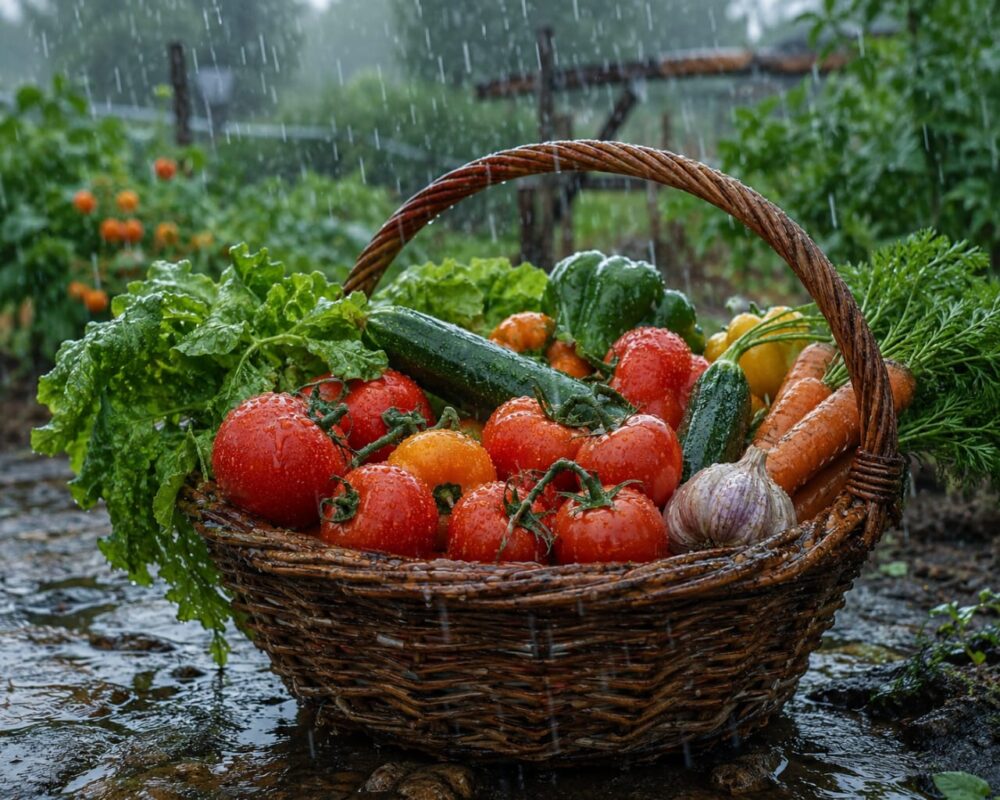
The rainy season brings cooler temperatures and much-needed rainfall, but it also creates conditions that can increase the risk of food contamination, waterborne diseases, mold growth, and faster food spoilage.
Higher humidity levels, flooding, poor sanitation, and unstable storage conditions can affect the safety and quality of food if proper precautions are not taken.
Whether you are a household consumer, trader, food vendor, or business owner, maintaining good food hygiene during the rainy season is essential for protecting health, reducing food waste, and preserving food quality.
Here are some practical food safety tips to help you stay safe during the wet season.
1. Wash Fruits and Vegetables Thoroughly
Rainwater, muddy conditions, and increased environmental contamination can leave fresh produce exposed to dirt and harmful microorganisms.
Always wash fruits and vegetables thoroughly under clean running water before eating, cooking, or storing them. Where appropriate, adding a small amount of salt or vinegar to the washing water can provide additional cleaning support.
Proper washing helps reduce contamination and keeps fresh produce safer for consumption.
2. Store Perishable Foods in Cold Storage
Humidity and fluctuating temperatures can accelerate spoilage during the rainy season.
Perishable products such as meat, fish, dairy products, fruits, vegetables, and cooked meals should be refrigerated or stored in reliable cold storage as soon as possible after purchase or preparation.
Maintaining proper storage temperatures helps preserve food quality and reduces the growth of harmful microorganisms.
3. Avoid Leaving Cooked Food Exposed
Open food can easily attract flies, insects, rodents, and airborne contaminants that become more common during wet weather.
Always cover cooked meals properly and avoid leaving food at room temperature for extended periods. Safe storage practices help maintain food quality and reduce contamination risks.
4. Use Safe Water for Cooking and Drinking
Heavy rainfall and flooding can contaminate water sources.
Ensure that water used for drinking, cooking, washing produce, and preparing meals is safe and clean. Where water quality is uncertain, use filtered, treated, or boiled water before consumption.
Safe water is one of the most important defenses against foodborne and waterborne illnesses.
5. Wash Hands Frequently and Properly
Hands can easily pick up germs from wet surfaces, public spaces, contaminated objects, and food handling activities.
Wash your hands thoroughly with soap and clean water:
- Before preparing food
- Before eating
- After using the restroom
- After handling raw foods
- After touching waste or dirty surfaces
Good hand hygiene remains one of the simplest and most effective food safety practices.
6. Clean and Disinfect Kitchen Surfaces Regularly
Moist conditions encourage the growth of bacteria and mold in kitchens and food preparation areas.
Regularly clean and disinfect:
- Kitchen counters
- Cutting boards
- Sinks
- Food preparation tables
- Cooking utensils
- Storage containers
Maintaining a clean food preparation environment helps reduce contamination risks.
7. Separate Raw and Cooked Foods
Raw meat, poultry, seafood, and other uncooked products can contain bacteria that may contaminate ready-to-eat foods.
Store raw and cooked foods separately and use different utensils, cutting boards, and containers whenever possible.
Preventing cross-contamination is essential for food safety.
8. Inspect Food Before Consumption
Food may spoil more quickly during the rainy season, even when signs are not immediately obvious.
Before consuming stored food, check for:
- Unusual odors
- Changes in texture
- Discoloration
- Visible mold
If food appears unsafe, it is best not to consume it.
9. Dispose of Waste Properly
Accumulated waste attracts pests and increases the risk of contamination.
Empty waste bins regularly, keep them covered, and maintain clean surroundings to support a healthier environment.
Proper waste management is an important part of food hygiene.
10. Buy Food from Clean and Reputable Vendors
When purchasing food during the rainy season, pay attention to the hygiene practices of vendors.
Choose sellers who maintain clean environments, store products properly, and follow good food handling practices.
Safe food begins with safe sourcing.
Protecting Health Through Better Food Hygiene
Food hygiene during the rainy season is about more than cleanliness. It is about protecting lives, preserving food quality, reducing waste, and preventing avoidable illnesses.
Simple habits such as proper handwashing, safe food storage, clean water use, and refrigerated storage can make a significant difference.
By following good food hygiene practices, families and businesses can enjoy safer, fresher food throughout the rainy season.
To learn more about food preservation and cold chain solutions, visit ColdHubs and discover how proper storage helps keep food safe from farm to table.